
Custom Night Guards in Celebration, FL
If you're waking up with a sore jaw, a dull headache, or teeth that feel more sensitive than they used to, teeth grinding might be the reason. It's one of those habits that happens while you're asleep, so most people don't realize they're doing it until a partner mentions the sound, or until Dr. Radha Patel spots the wear pattern during a routine exam at Lumos Dental Studio.
What Is Bruxism?
Bruxism is the clinical term for grinding or clenching your teeth, and it usually happens during sleep without you ever being aware of it. Some people clench during the day too, often without noticing, especially during stressful stretches or while concentrating on something.
The forces involved in grinding are much higher than normal biting or chewing. Over months and years, that pressure wears down enamel, loosens fillings, and puts stress on teeth that they weren't built to handle night after night.
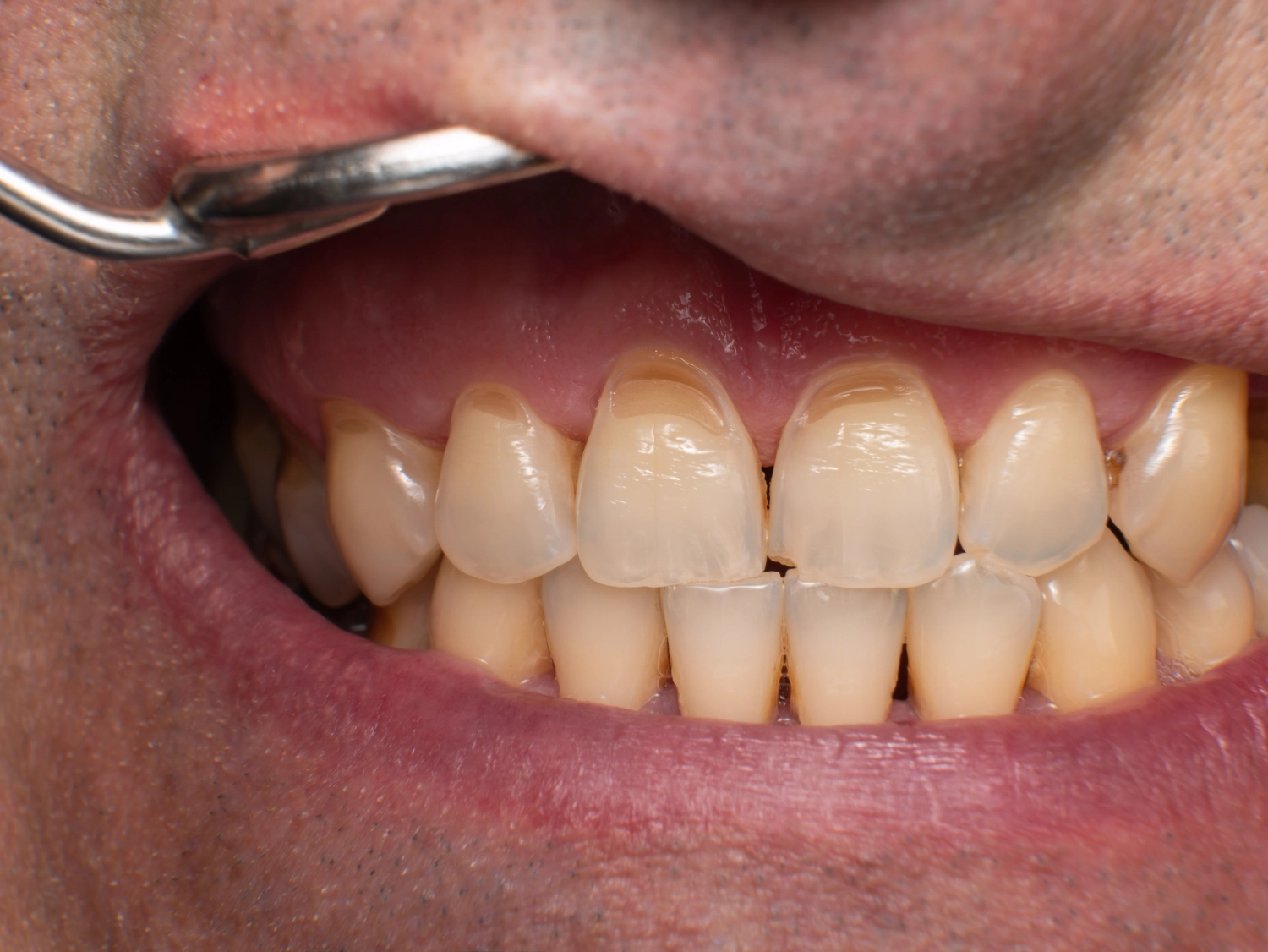
Signs You Might Be Grinding Your Teeth
Bruxism is easy to miss because it happens while you're asleep. A few patterns tend to show up first.
If several of these sound familiar, it's worth bringing up at your next visit, even if you're not sure grinding is actually the cause.

Jaw soreness or tightness
Jaw soreness or tightness, especially first thing in the morning, before you've even had coffee.
Headaches that start near the temples
These are often mistaken for tension headaches, and in a lot of cases, that's exactly what they are, caused by the same overworked jaw muscles.
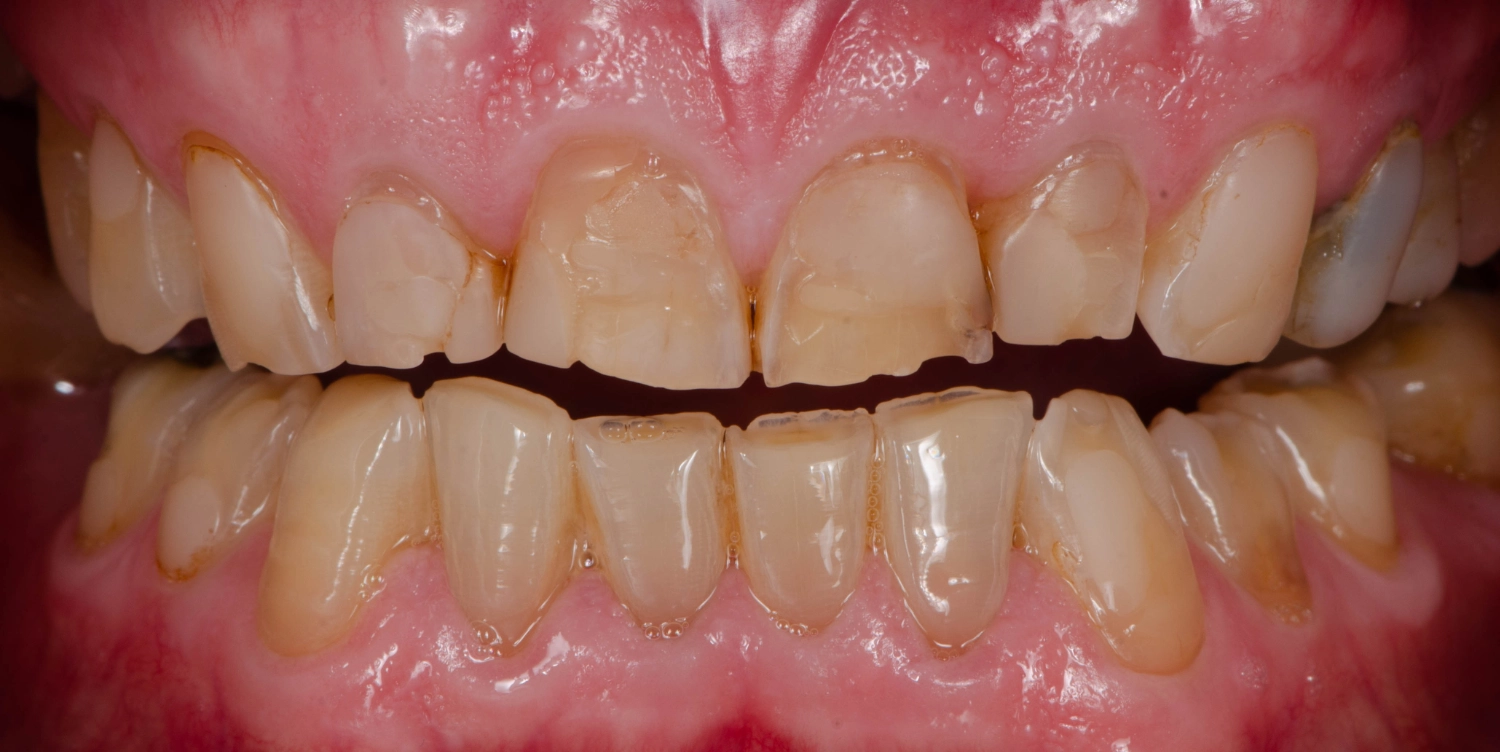
Cracked or chipped teeth
A tooth that suddenly cracks without an obvious cause, like biting something hard, is a common red flag for grinding.
Increased tooth sensitivity
As grinding wears down enamel, teeth can start reacting to hot, cold, or sweet foods in ways they didn't before.
Flattened or worn-looking teeth
Flattened or worn-looking teeth, which Dr. Patel can often spot during a routine cleaning before a patient ever mentions symptoms.
A partner mentioning the sound of grinding at night
A partner mentioning the sound of grinding at night, which is sometimes the first sign anyone notices.
Why Over-the-Counter Guards Fall Short
Drugstore night guards seem like an easy first step, and for occasional, mild grinding, some people get by with one. But they come with real limitations.
The fit is generic. Boil-and-bite guards are shaped to a rough approximation of an average mouth, not your actual bite. A loose or bulky fit can mean it shifts out of place overnight, or that you stop wearing it because it's uncomfortable.
They don't account for your specific bite. Everyone's teeth meet differently. A guard that isn't built around your actual bite pattern can end up concentrating pressure on the wrong teeth instead of spreading it out evenly, which sometimes makes grinding-related soreness worse rather than better.
Durability is limited. Store-bought materials tend to wear through faster, especially for patients with moderate to severe grinding, which means replacing them more often.
They don't address clenching in the same way. Custom guards can be adjusted for thickness and bite alignment in a way that generic products simply aren't designed to do.
A custom guard is built from an impression or scan of your actual teeth, so it fits precisely, stays in place overnight, and holds up to the pressure your specific bite puts on it.
The Custom Night Guard Process
Dr. Patel examines your teeth and jaw, discusses your symptoms, and confirms that a night guard is the right approach for what's going on.
A precise impression or digital scan of your teeth is taken so the guard can be custom-fabricated to match your bite exactly.
Once the guard is ready, you'll come back for a fitting appointment, where Dr. Patel checks the fit and makes any adjustments needed for comfort and proper bite alignment.
Night guards should be checked periodically, especially if grinding is more severe, since the guard itself will show wear over time and may need replacement.
Frequently Asked Questions
How much does a custom night guard cost?

How do I know if I need a night guard or if my headaches are something else?
Can a night guard fix teeth grinding?
How long does a custom night guard last?
What happens if grinding isn't treated?
Protect Your Smile at Lumos Dental Studio
Tired of waking up with jaw pain or headaches? Contact Lumos Dental Studio today to schedule your custom night guard consultation with Dr. Radha Patel. Discover why we're the trusted choice for personalized dental care in Celebration, FL. Let's protect your smile, one restful night at a time!
Schedule an appointment