
Do you ever wake up with a sore jaw or wonder how you chipped a tooth?
You could be grinding or clenching your teeth without realizing it. These habits can gradually damage your teeth, even if you don’t feel any pain.
To help you understand what might be happening, read on for a breakdown of common grinding symptoms, the risks of leaving them unchecked, and what you can do to protect your smile.
Based in central Florida and concerned about grinding or changes in your teeth? Schedule a bite and wear evaluation at Lumos Dental Studio. We’ll examine your teeth, discuss your symptoms, and explain whether a custom night guard in Celebration, FL could help.
How Can You Tell if You Grind Your Teeth?
Grinding and clenching, known as bruxism, can happen while you’re awake or asleep. You may not realize you’re doing either until you notice changes in how your teeth look or how your jaw feels.
Signs to watch for include:
- Teeth that look flatter, chipped, or worn
- Sensitivity you haven’t noticed before
- Jaw muscles that feel tight or tired
- Soreness in your face or jaw
- Headaches around your temples
- Fillings or crowns that keep getting damaged
These signs don’t necessarily mean you grind your teeth. Sensitivity, for example, can also be caused by decay, receding gums, or a cracked tooth. Your dentist can check what’s happening and explain what care you may need.
What Can Happen if Grinding Goes Unchecked?
Grinding doesn’t always cause obvious discomfort, but repeated pressure can take a toll on your teeth and dental work. Knowing the signs of wear and damage can help you decide when to have things checked.
Here are some of the changes to watch for.
Worn Enamel and Increasing Sensitivity
Enamel is the hard outer covering of your teeth. As it wears away, the inner layers may become exposed, leaving teeth more sensitive.
You may notice flattened chewing surfaces or edges that look shorter or uneven. Because these changes can develop gradually, you may not recognize them until you compare your teeth with an older photograph or your dentist points them out.
Lost enamel does not grow back, so it’s worth finding out what’s causing the wear as soon as possible so you can protect the enamel you have left.
Chips and Fractures
Grinding can also contribute to chips and cracks. A small chip may only need a filling, while a more damaged tooth may need a crown or further treatment.
A night guard can help protect teeth, but it cannot repair an existing crack. If you notice sharp pain when biting, a broken edge, or discomfort in one particular tooth, arrange an examination so your dentist can check the damage and explain your treatment options.
Damage to Existing Dentistry
Your fillings and crowns can be affected by grinding too. Repeated pressure can damage these restorations and the natural tooth structure around them.
If a filling chips repeatedly or a crown becomes damaged, your dentist will need to assess both the restoration and the forces acting on it. Along with repairing the damage, they may also recommend a custom night guard in Celebration, FL, to help protect your teeth while you sleep.
Does Visible Tooth Wear Always Mean You Need a Night Guard?
No. Worn teeth don’t automatically mean you need a night guard. Your dentist needs to check what’s causing the wear and if it’s getting worse. For example, acidic drinks and acid reflux can also wear away tooth structure, so a night guard may not address what’s causing the damage.
Here are some useful details to note ahead of your appointment, along with what your dentist may check:
If you’ve also noticed new spacing or movement alongside any of these symptoms, our article on why teeth shift explains other possible causes that may need assessment.
How Does a Custom Night Guard Help?
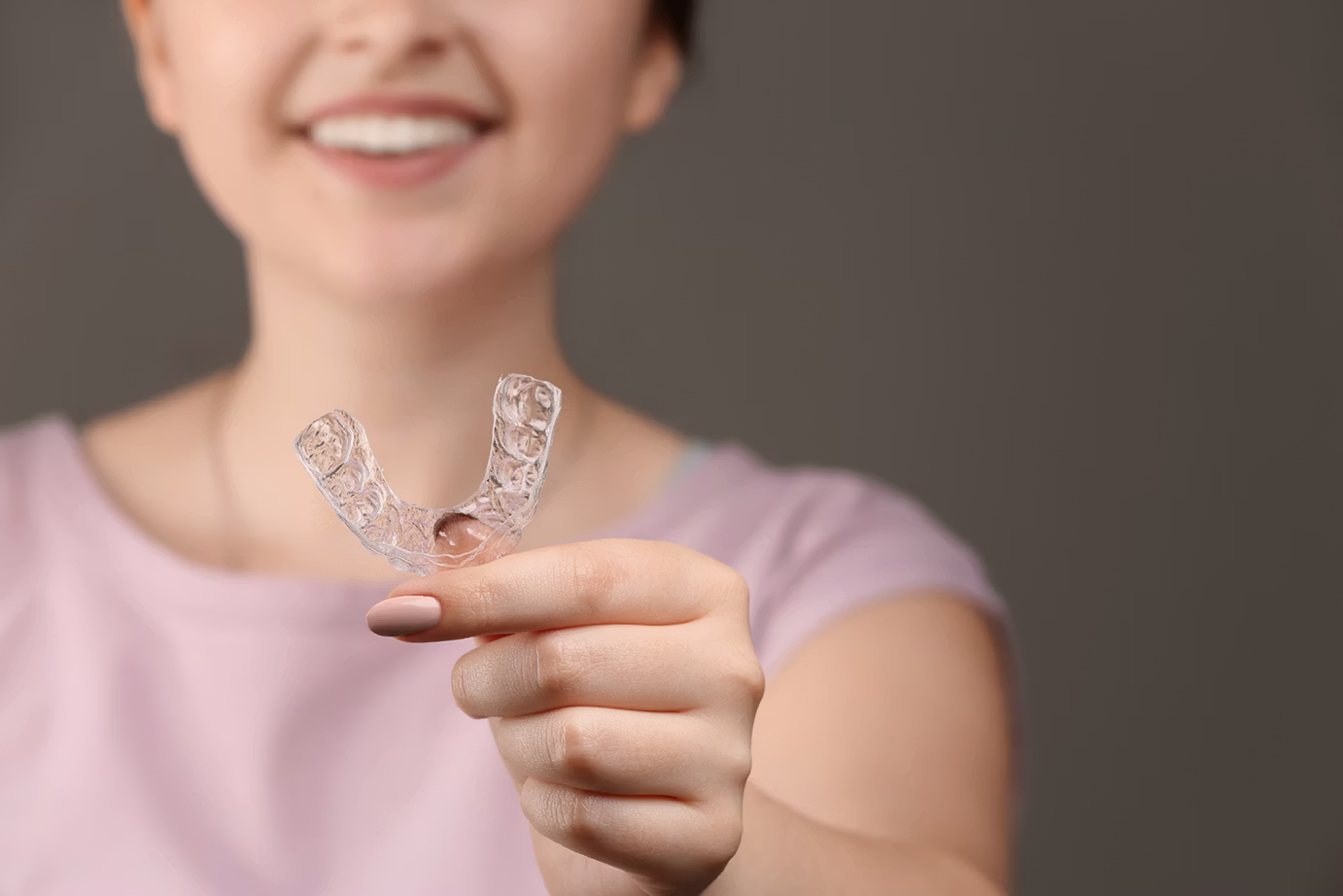
If your dentist finds signs of grinding, they may recommend a custom night guard to help protect your teeth while you sleep.
A night guard is a removable dental device that fits over your upper or lower teeth, creating a barrier so they don’t grind directly against each other. Your dentist will recommend a design that suits your teeth and any fillings or crowns you have, then check the fit and explain how to care for it.
Even with a night guard, you may still clench or grind your teeth. To help manage the habit alongside protecting your teeth, your dentist may also discuss daytime clenching, stress, or a possible sleep condition that needs further assessment.
Why Choose a Custom Guard Instead of a Store-Bought One?
A custom night guard is made to fit your teeth using an impression or digital scan. Once it’s ready, your dentist checks that it sits comfortably and that your teeth meet properly against it.
If the guard feels tight, rubs, or is uncomfortable, you can point this out during the fitting so your dentist can make adjustments. At follow-up visits, they can check for wear and make sure the fit is still right.
With a store-bought guard, you don’t get that same fitting and follow-up care. A custom fitting also gives you a chance to ask questions and talk through any concerns about wearing your guard.
What Happens During a Bite and Wear Evaluation at Lumos Dental Studio?
At Lumos Dental Studio, we’ll start by asking about your symptoms. Perhaps your jaw feels sore in the morning, your teeth have become sensitive, or your partner has heard you grinding at night.
Next, we’ll examine your teeth and jaw, check for wear or damage, and explain if a night guard could help. If we do think you’d benefit from a night guard, we’ll take an impression or digital scan of your teeth so your custom guard can be made.
Once your custom night guard in Celebration, FL is ready, you’ll come back for a fitting. We’ll check that it feels comfortable, make any adjustments, and show you how to wear and care for it. At future visits, we’ll also check its condition and discuss when it may need replacing.
If a tooth, filling, or crown needs treatment first, we’ll talk you through your options and explain how that affects when your guard can be made.
What Else Can Help With Grinding and Clenching?
Along with protecting your teeth, understanding when and why you clench can help guide your care.
If you catch yourself clenching during the day, try setting a reminder to relax your jaw and let your teeth rest apart. Your dentist may also talk with you about stress, caffeine, or alcohol and suggest changes that could help.
During your appointment, it’s also worth mentioning any medicines you take and how you’ve been sleeping. If you snore loudly, feel very sleepy during the day, or your partner has noticed pauses in your breathing at night, let your dentist know. They may recommend a sleep assessment, as these symptoms may point to an underlying sleep condition (like sleep apnea) that a grinding guard won’t address.
Frequently Asked Questions About Custom Night Guards in Celebration, FL
Do I need a night guard if my teeth don’t hurt?
Possibly. Grinding can wear down your teeth without causing pain. Your dentist can check for damage, ask about any symptoms, and explain if a guard would help or if the wear can be monitored.
Will a custom night guard stop me from grinding?
Not necessarily. A night guard creates a barrier between your teeth to help protect them, but you may still clench or grind while wearing it. Your dentist can also help you explore what might be contributing to the habit.
Can I wear a night guard if I have fillings or crowns?
Often, yes. A custom guard can be made to fit your teeth and existing dental work. If you have a filling or crown placed later, bring your guard along so your dentist can check that it still fits properly.
Can a night guard repair worn teeth?
No. A guard can help protect your teeth, but it won’t replace lost enamel or fix a chip. If there’s already damage, your dentist will explain if you need a repair as well as protection.
How much does a custom night guard in Celebration, FL cost?
The cost depends on the type of guard and the care you need. Ask for an estimate before going ahead, and check if your insurance covers any of the fee. If your teeth also need repairs, you can always ask for those costs to be broken down separately so you can see what each part of your care will cost.
Find Out if a Custom Night Guard Could Help
If you’ve noticed changes in your teeth or keep waking up with a tight jaw, you don’t have to work out the cause on your own.
At Lumos Dental Studio in Celebration, FL, we’ll examine your teeth, discuss your symptoms, and explain if a custom night guard could help. If you need a repair or another type of care, we’ll talk you through that too.
To get started, give us a call at (689) 308-3049 or schedule a bite and wear evaluation. We’re always here to answer any questions you have and help you understand your options.
